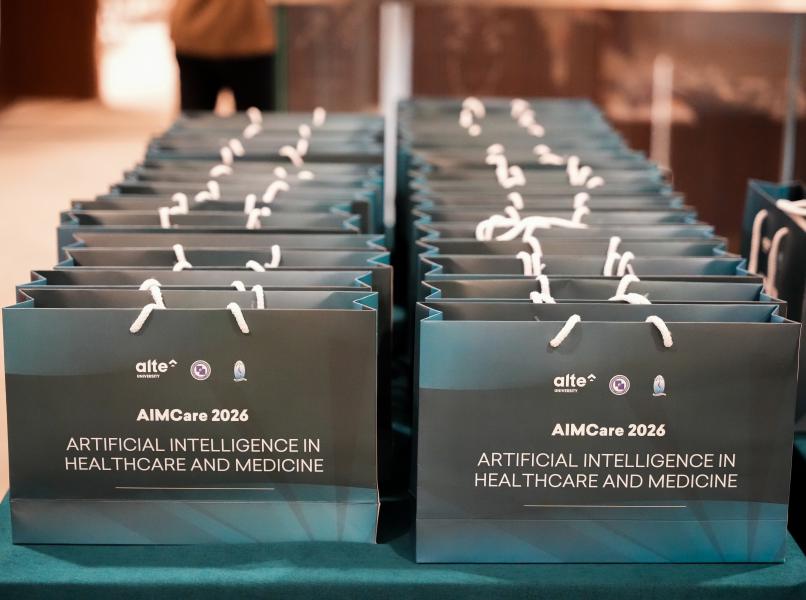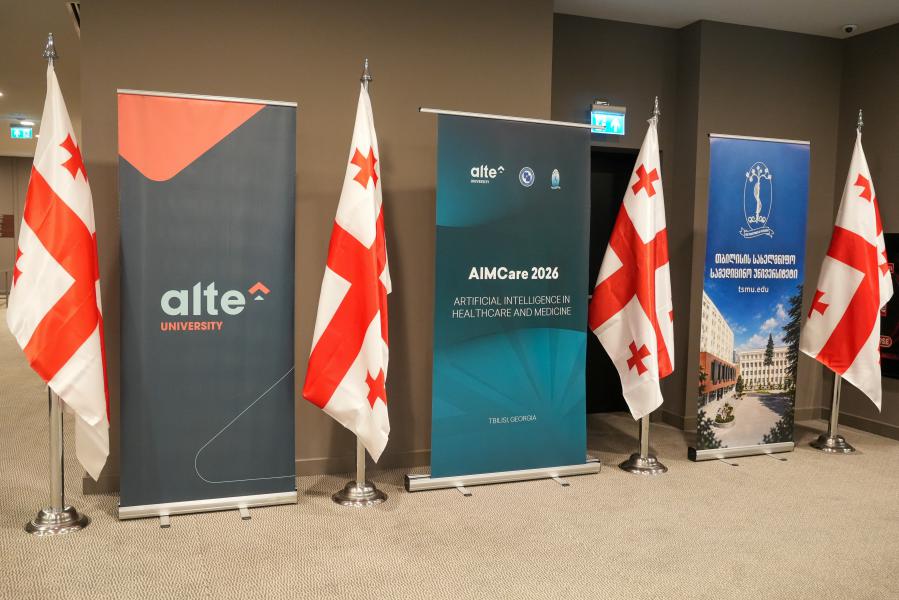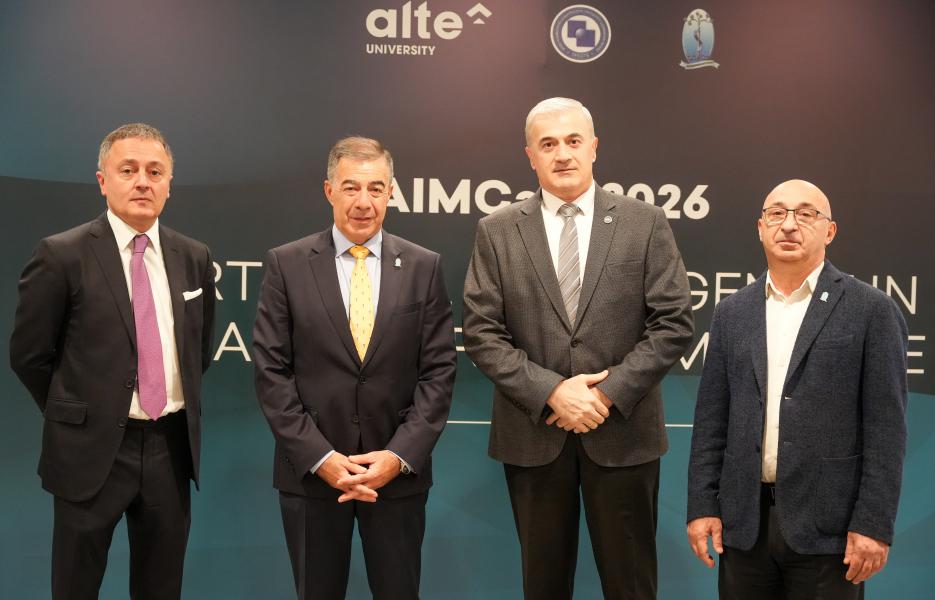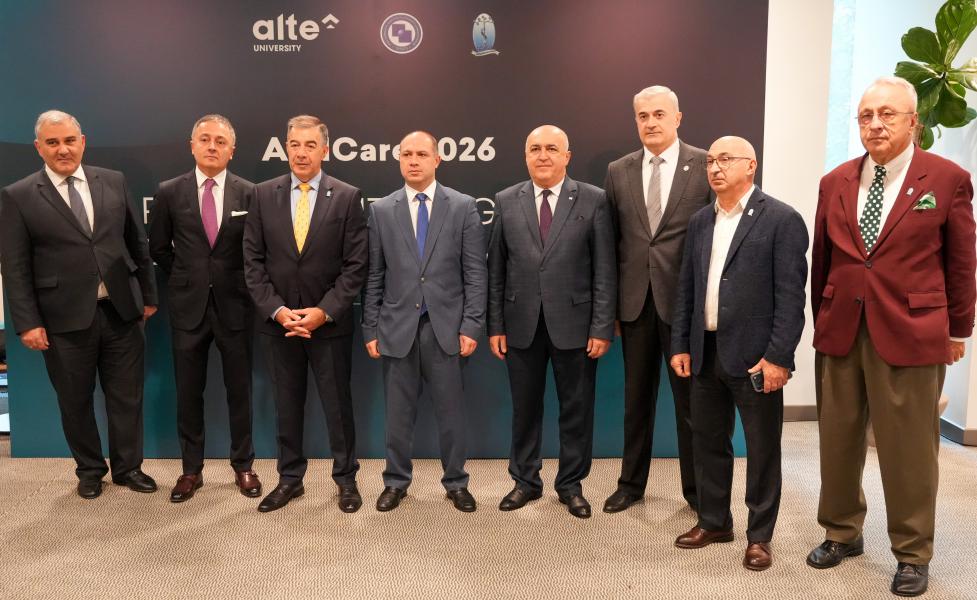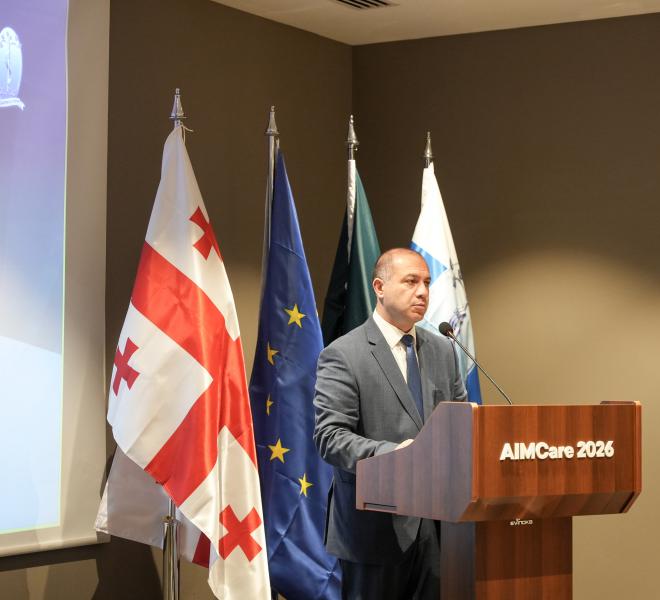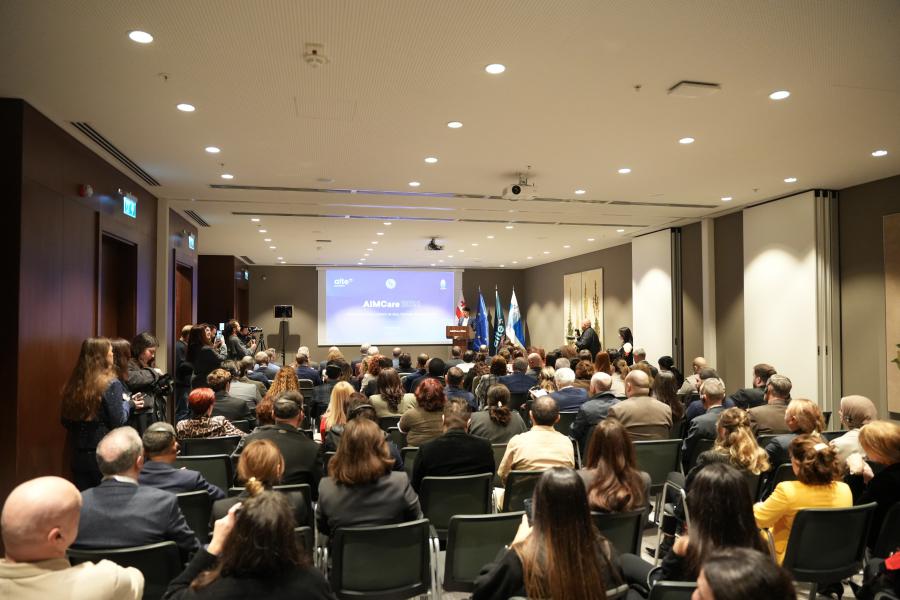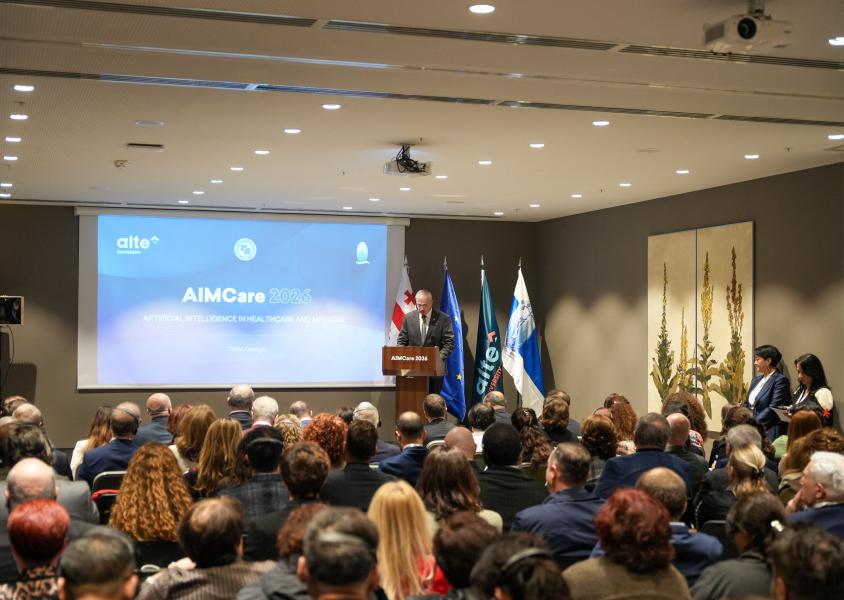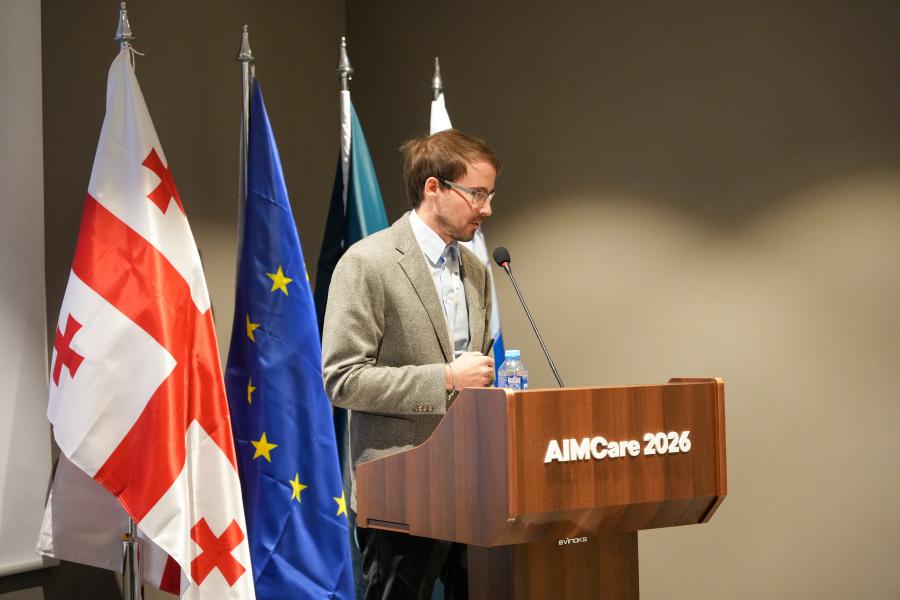
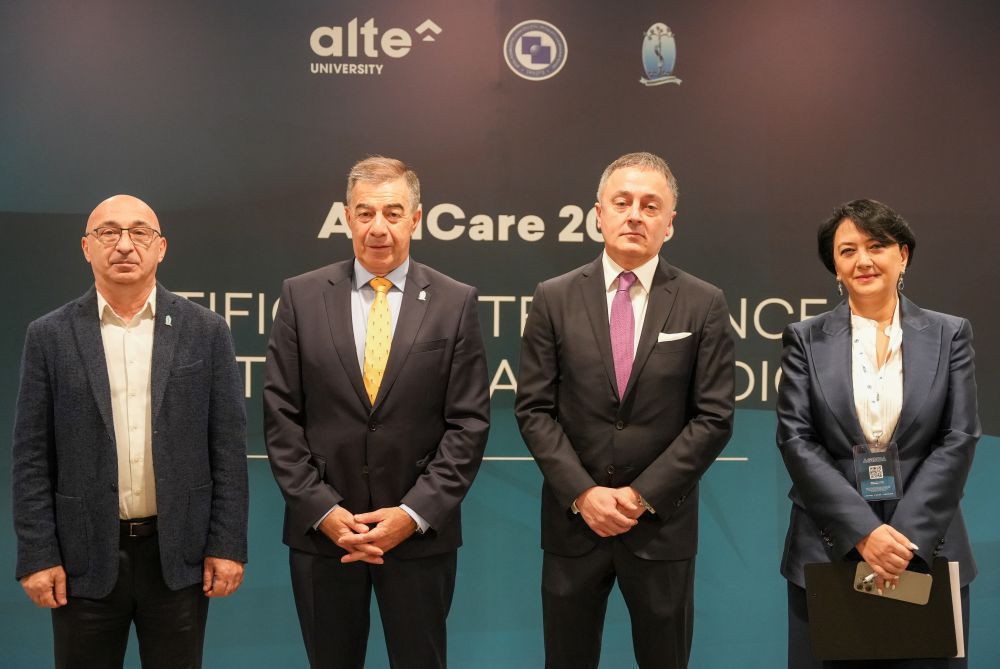
The 1st International Scientific
Conference on Artificial Intelligence in Healthcare and Medicine (AIMCare 2026)
was held in Tbilisi on October 29–30, 2026. The event was jointly organized by
Tbilisi State Medical University and Alte University, with the support of the
Shota Rustaveli National Science Foundation of Georgia.
The international scientific forum
brought together representatives from ten countries, providing an
interdisciplinary platform for exploring the intersection of medicine, science,
and emerging technologies. The conference facilitated discussions on the
transformative potential of artificial intelligence in healthcare and medicine,
with particular emphasis on its opportunities, challenges, and responsible
application.
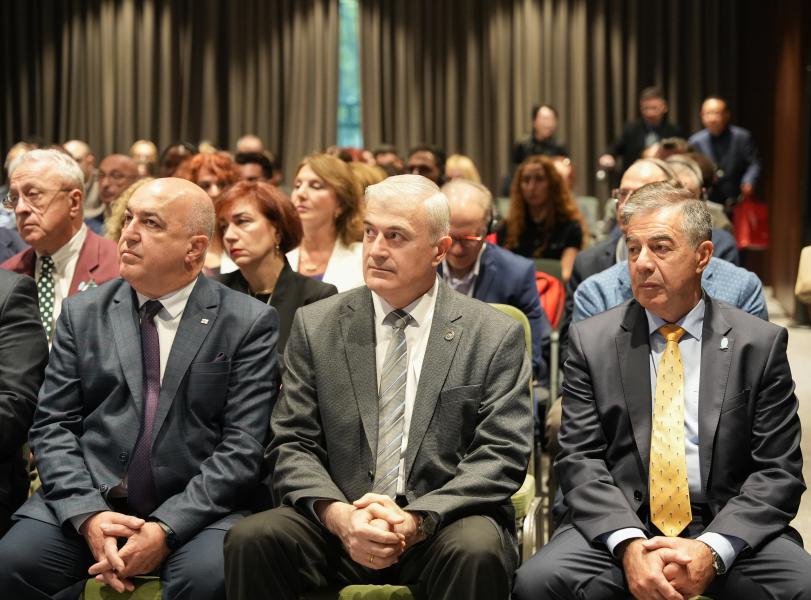
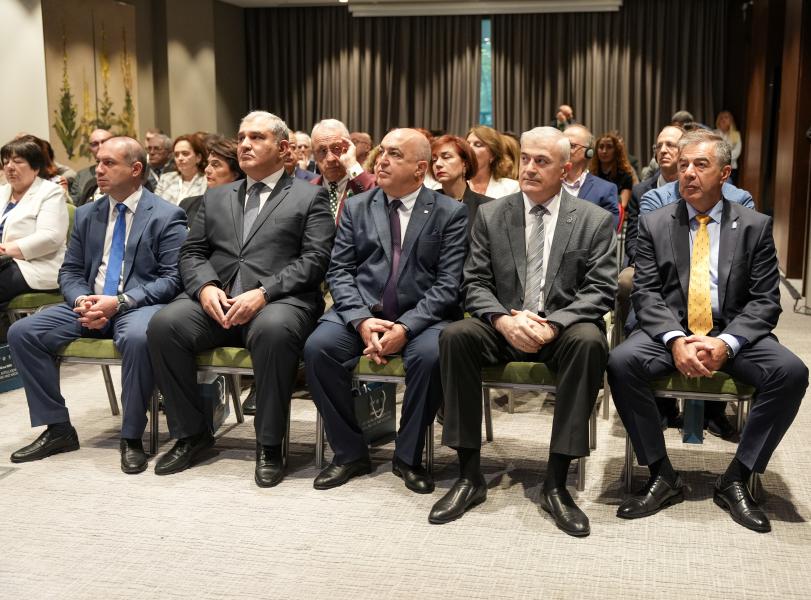
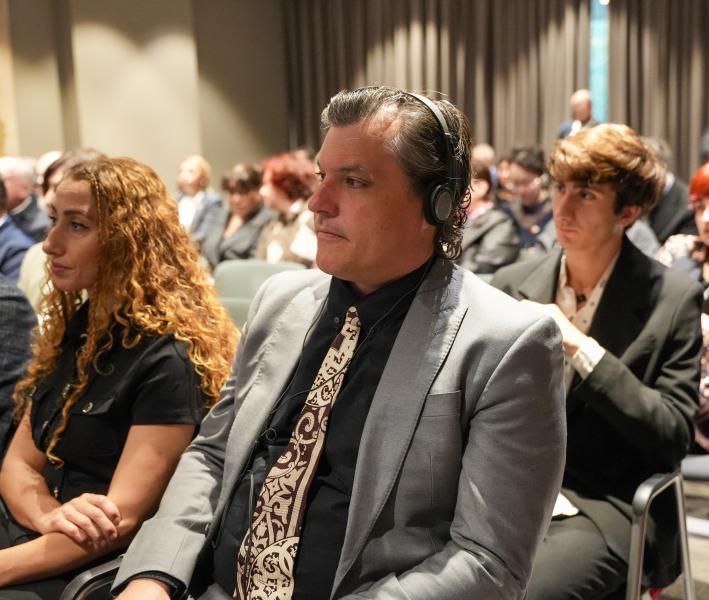
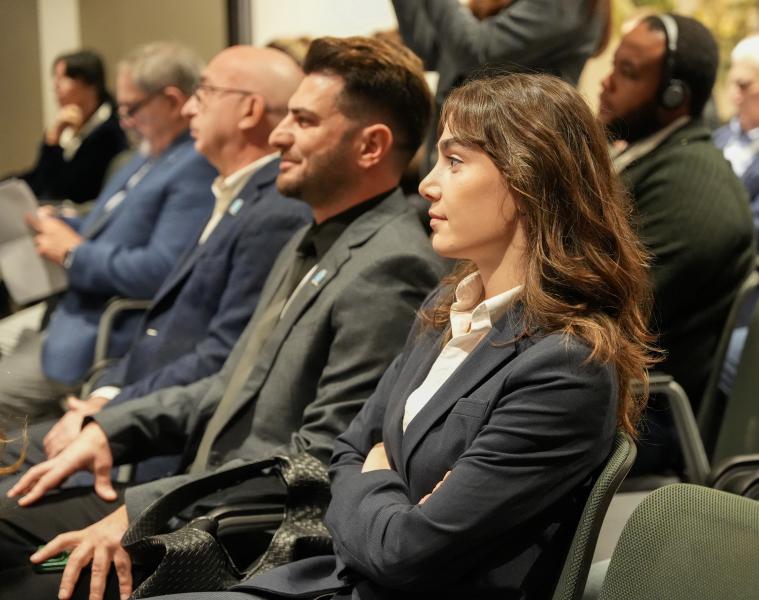
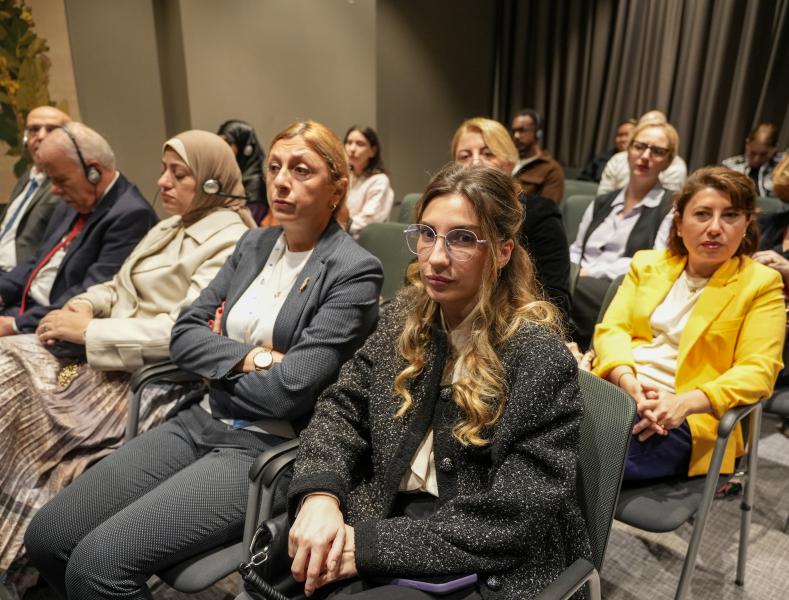
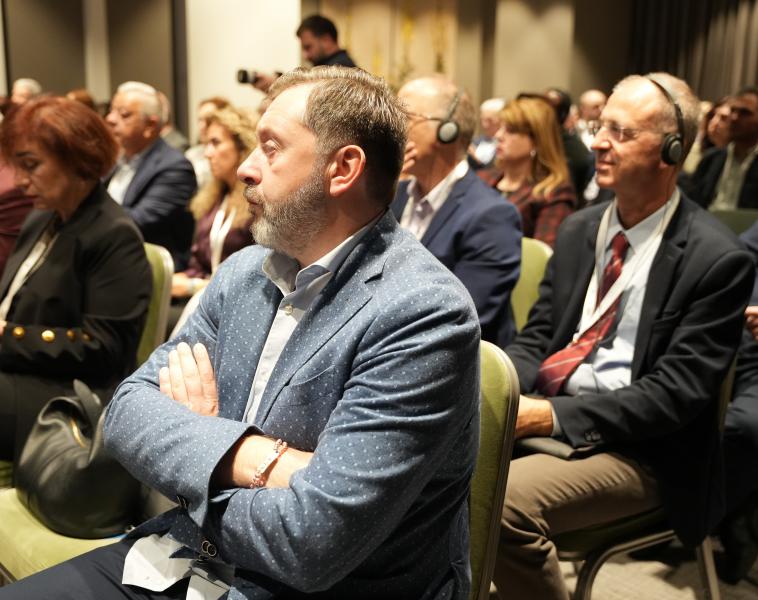
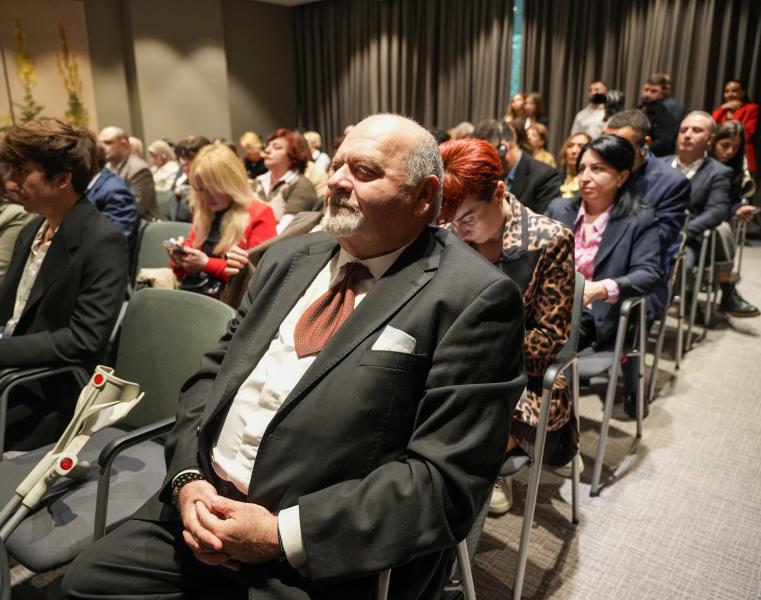
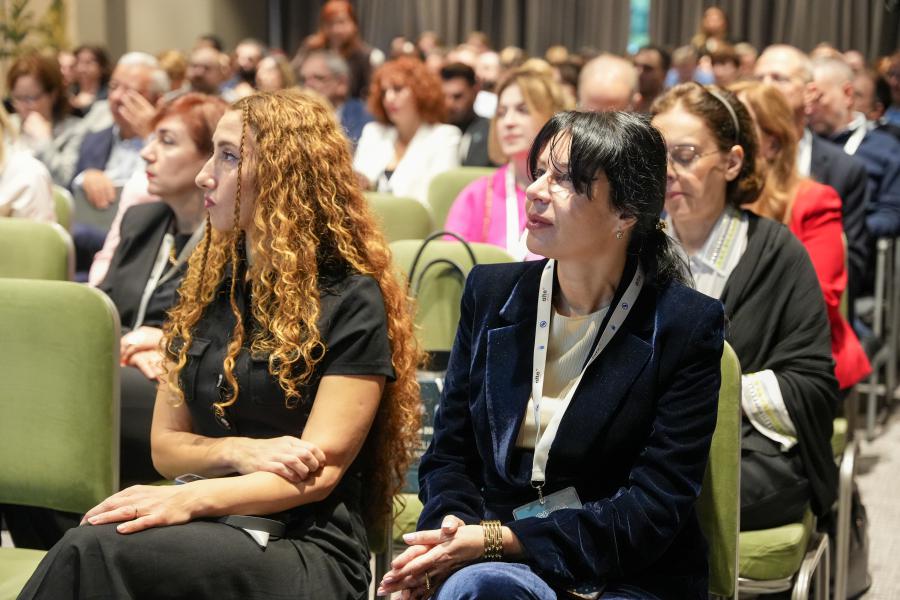
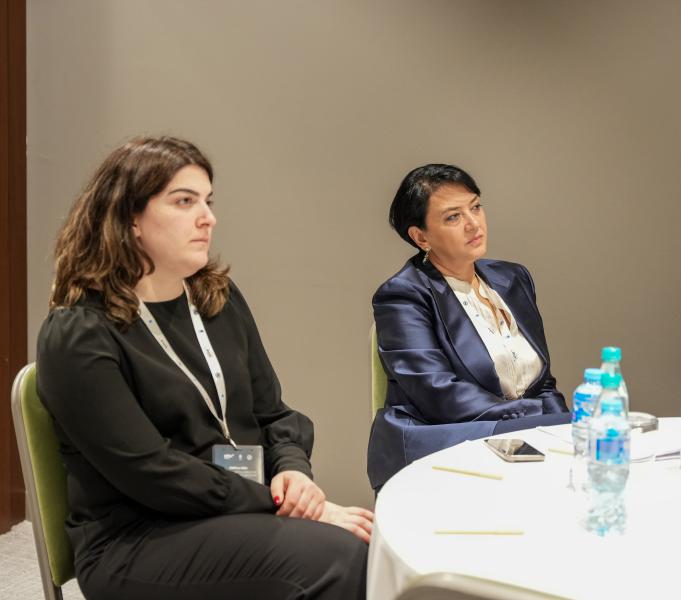
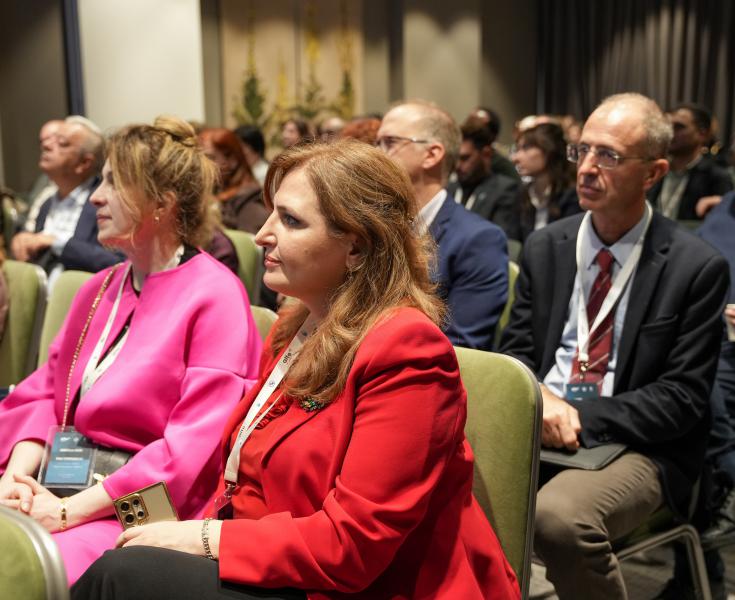
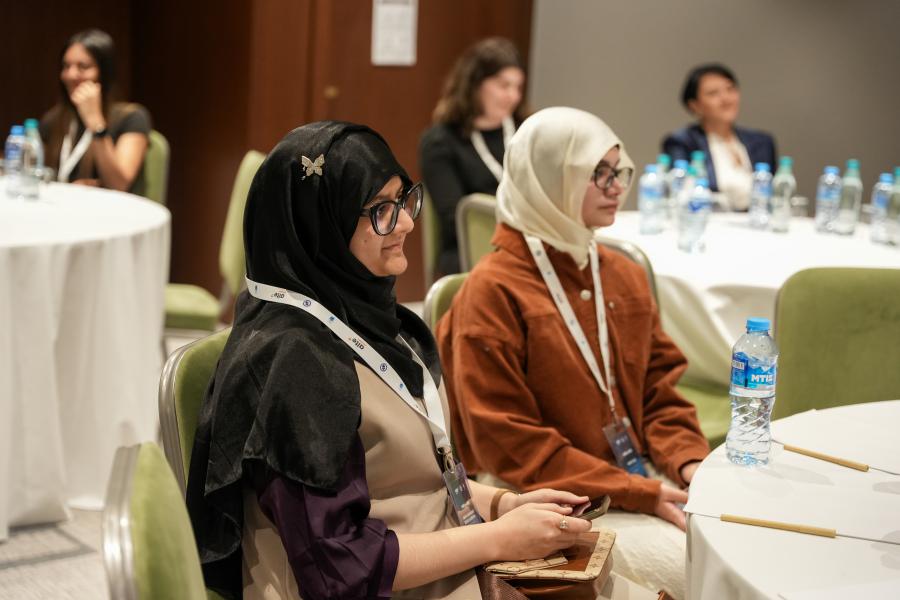
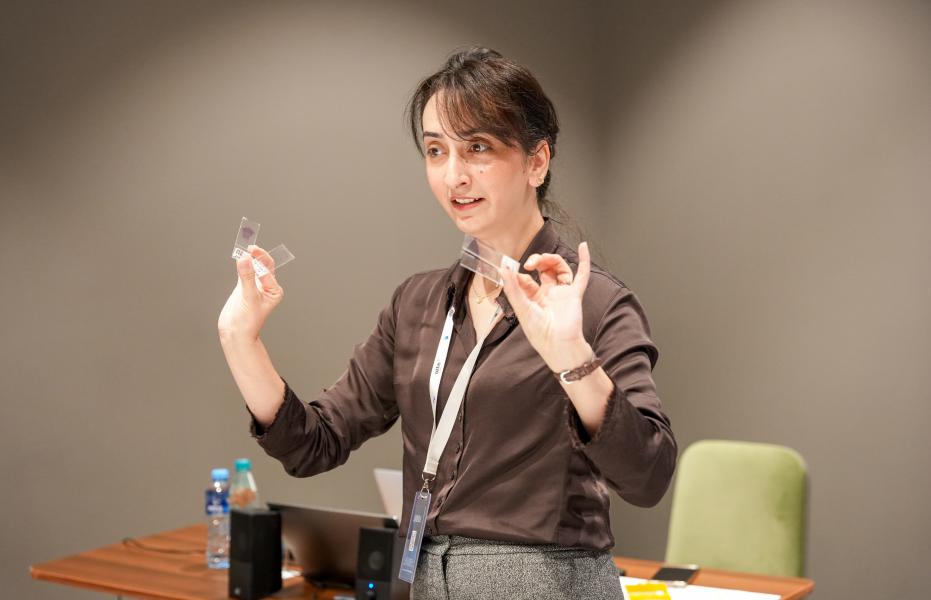
The conference attracted a diverse range
of participants, including healthcare and technology professionals,
researchers, clinicians, engineers, academic staff, students, and experts from
various disciplines. The programme featured distinguished national and
international speakers representing Georgia, the United Kingdom, Germany,
Spain, France, Italy, Ireland, Poland, the Czech Republic and Jordan.
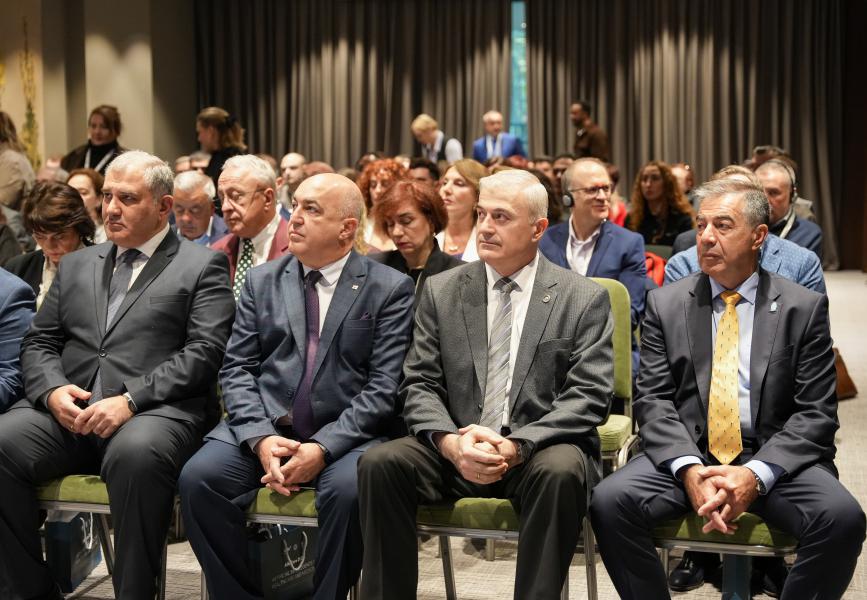
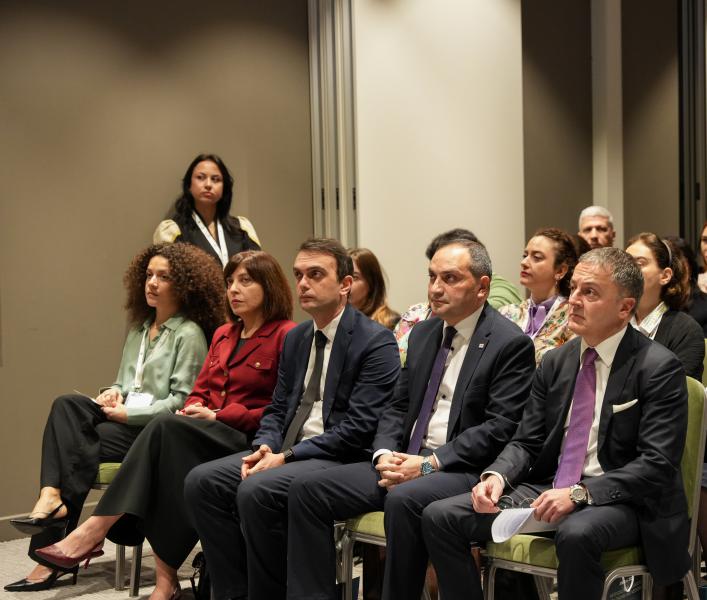
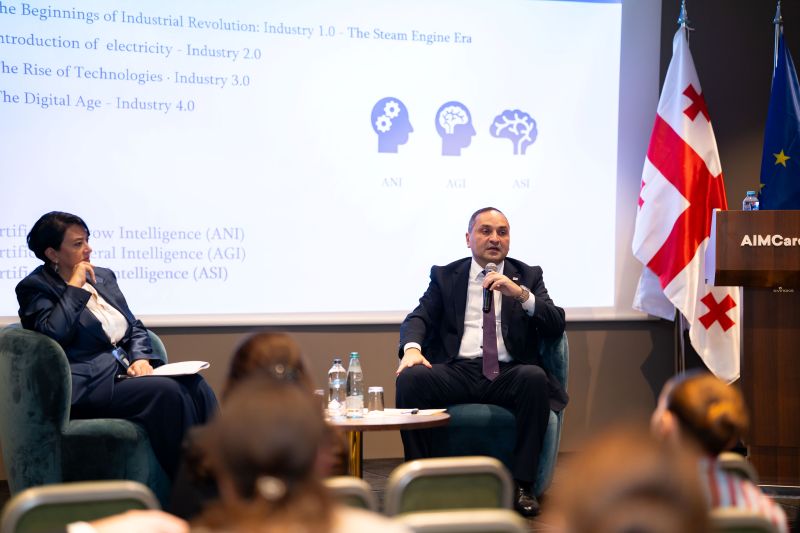
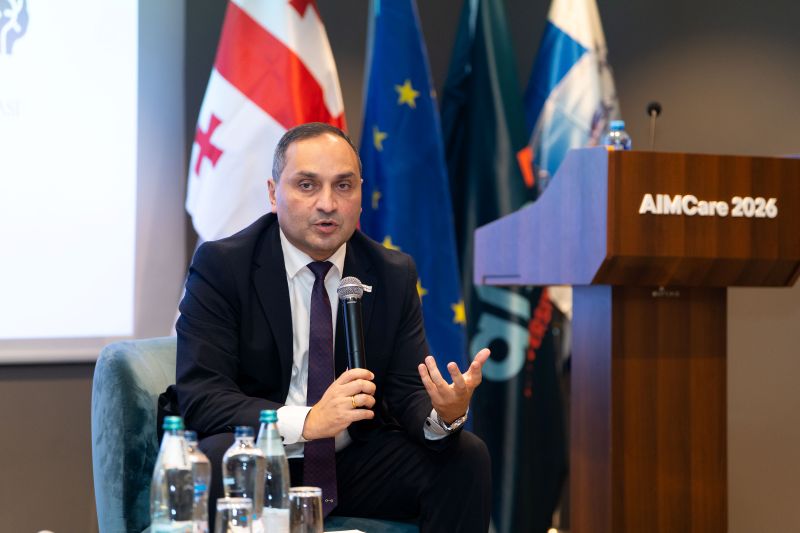
The conference was also attended by the representatives of Georgia's executive and legislative authorities, including Givi Mikanadze, Minister of Education, Science and Youth of Georgia; Zviad Gabisonia, Deputy Minister of Education, Science and Youth; Mikheil Sarjveladze, Minister of Internally Displaced Persons from the Occupied Territories, Labour, Health and Social Affairs of Georgia and Zaza Lominadze, Chair of the Parliamentary Committee on Health Care and Social Issues, alongside other government officials.Artificial Intelligence in Modern Medicine: Opportunities and Challenges
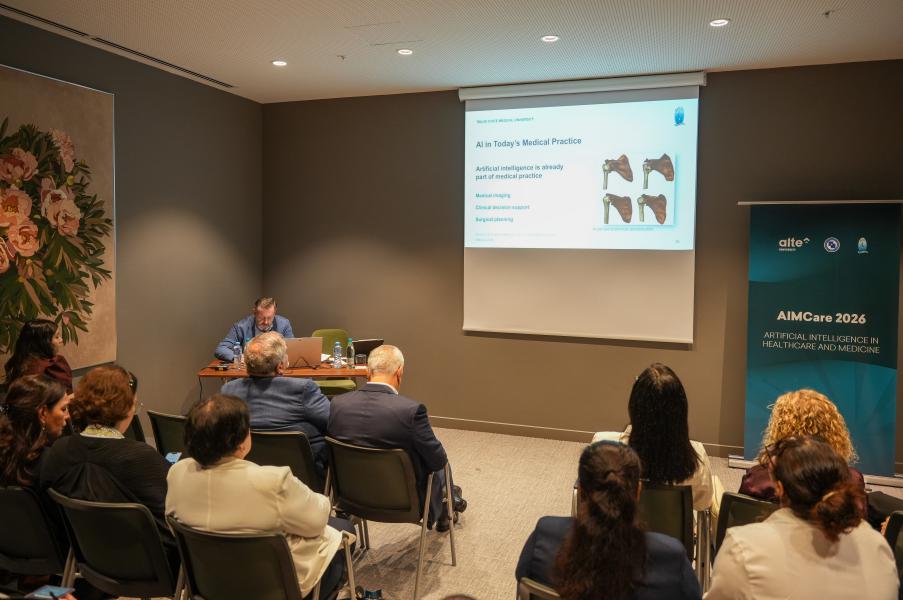
Over
the course of the two-day conference, participants engaged in comprehensive
discussions on the role of artificial intelligence (AI) in modern medicine,
particularly its applications in medical diagnostics and therapeutic
interventions. Special emphasis was placed on opportunities for integrating AI
technologies into medical education, professional training and the
administration and management of clinical practice.
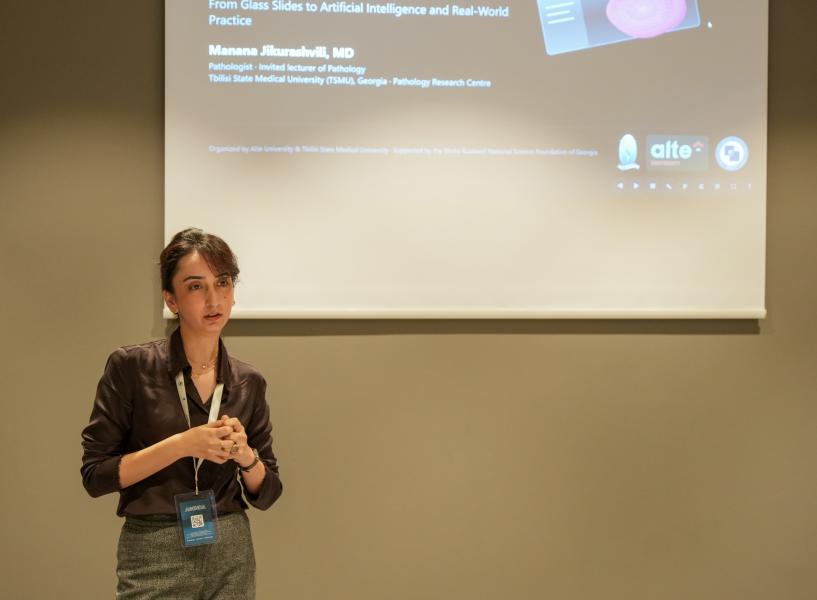
The
scientific sessions explored emerging innovations and prospects for the
development of the healthcare sector. Ethical, legal, and practical challenges
associated with AI implementation, including data security and protection,
technological reliability and the importance of maintaining human oversight and
accountability in clinical decision-making topics were discussed during the
conference.
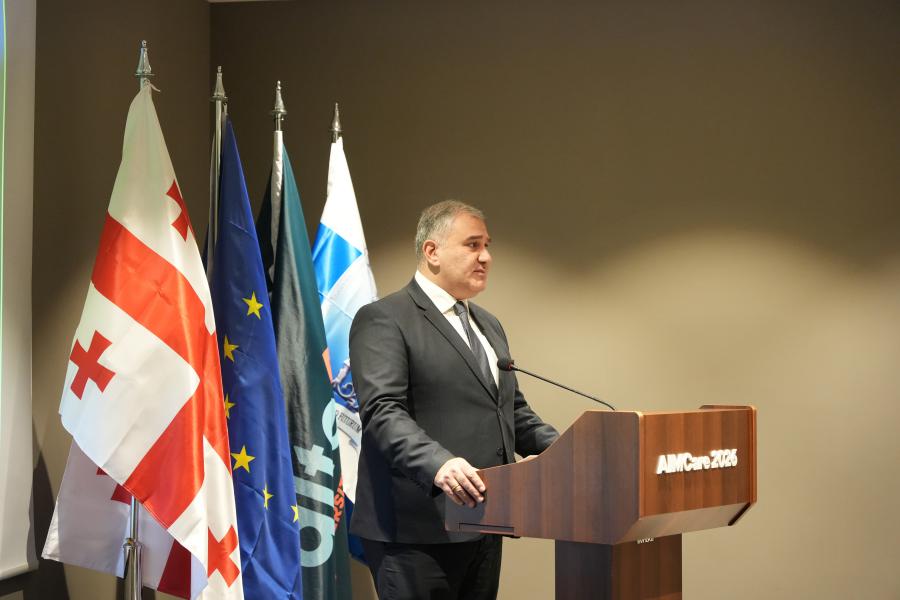
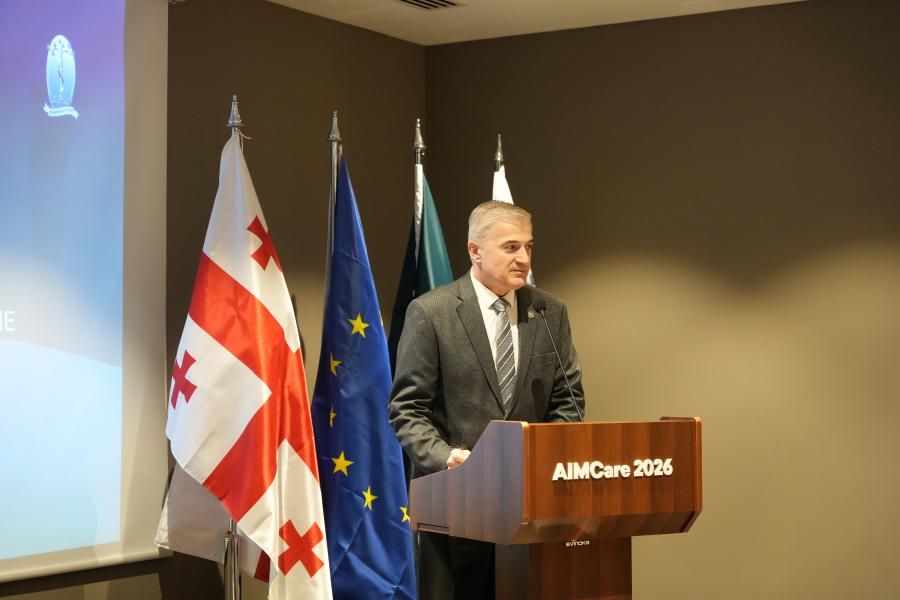
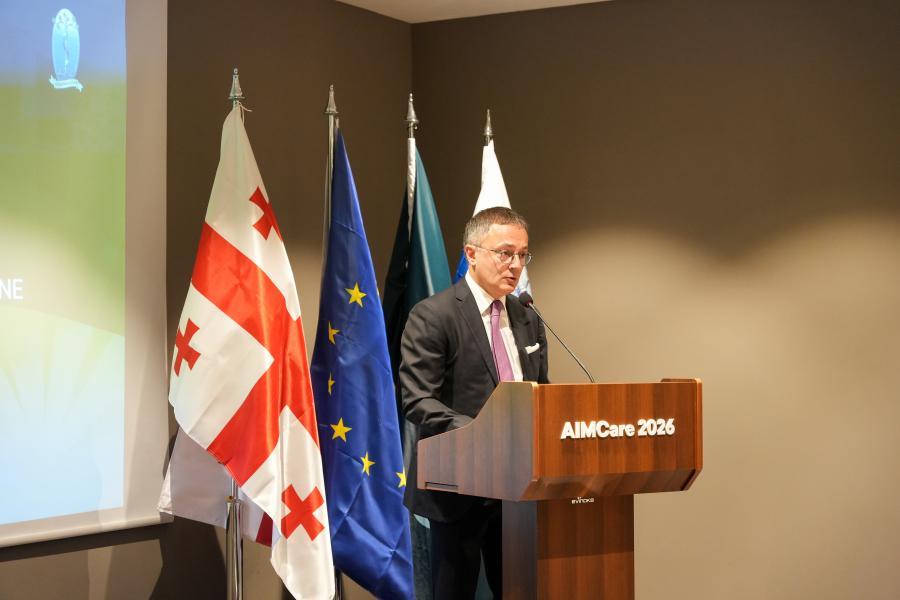
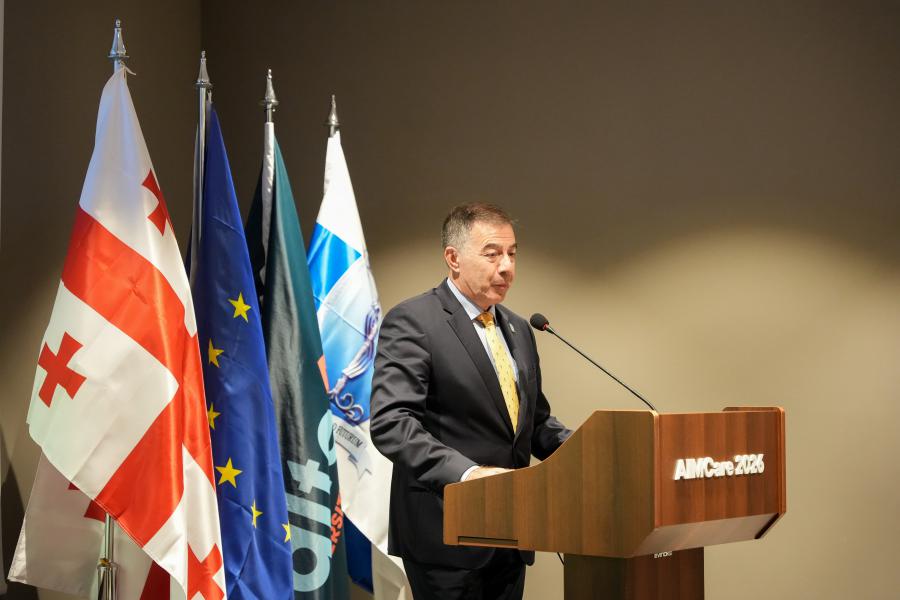
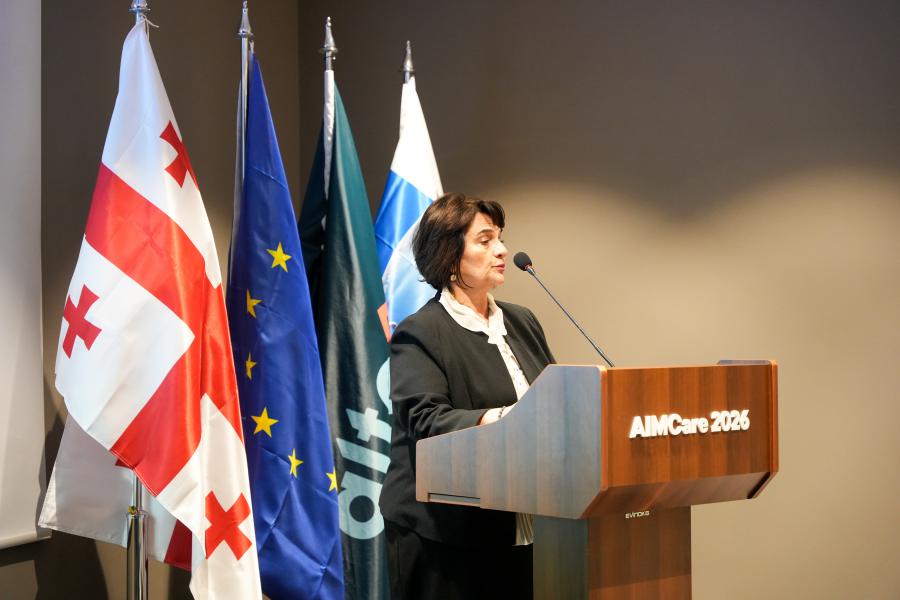
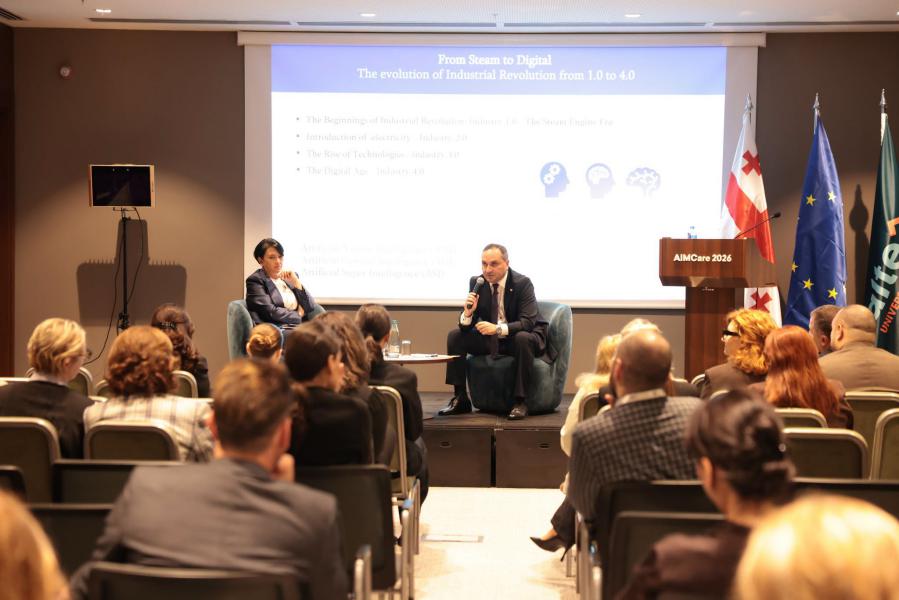
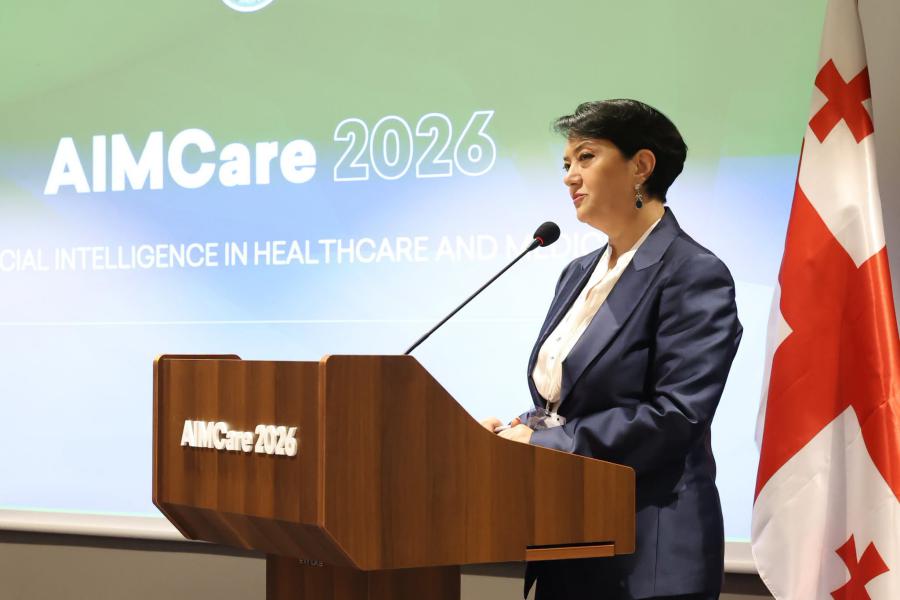
The
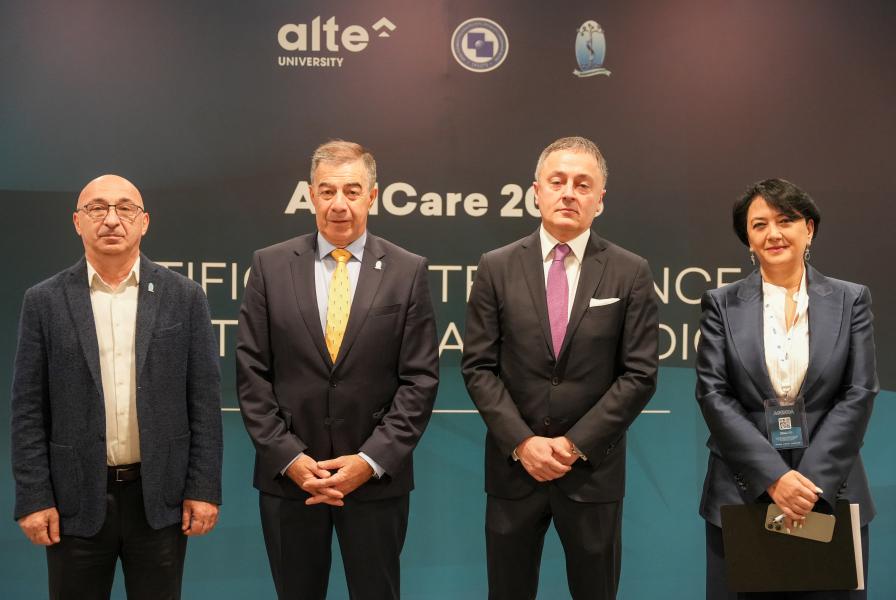
conference's opening ceremony featured welcoming addresses by Givi Mikanadze,
Minister of Education, Science and Youth of Georgia, and Mikheil Sarjveladze,
Minister of Internally Displaced Persons from the Occupied Territories, Labour,
Health and Social Affairs of Georgia. The participants were also welcomed by
the conference organizers: Professor Irakli Natroshvili, Rector of Tbilisi
State Medical University and Ramaz Kukuladze, President of Alte University.
In
his opening remarks, the TSMU Rector Professor emphasized the growing influence
of artificial intelligence in medicine and the importance of active engagement
by the academic community in shaping its responsible application.
"Artificial
intelligence has rapidly become an integral part of our lives and is
fundamentally transforming approaches to medicine, particularly in medical
diagnostics, screening, and scientific research. In this context, the active
involvement of the academic community is especially important to ensure that we
properly assess the potential of artificial intelligence and make effective use
of the opportunities it offers. The fact that two universities have initiated
such an important collaboration and are jointly implementing a project of this
scale represents a significant step forward for our education system. It also
sends a strong message and lays the foundation for further inter-university
cooperation and joint initiatives in the future. I am confident that such
partnerships will make a substantial contribution to the continued development
and strengthening of both Georgia's education and healthcare systems."
Givi
Mikanadze, Minister of Education, Science and Youth of Georgia, highlighted the
conference's relevance to national priorities in education and scientific
development, as well as the importance of international academic cooperation.
"One
of the key priorities of state policy in education and science is to create and
sustain an environment in which knowledge, scientific research and innovation
serve as the foundation for the country's sustainable and accelerated
development. In this regard, universities and research institutions play a
particularly important role as centers for generating new knowledge, advancing
modern technologies, translating innovations into practice, and addressing
real-world needs. This conference responds to contemporary challenges by
bringing together several important areas, including medical education,
scientific research and the integration of artificial intelligence into
medicine. It is therefore essential to exchange experiences with international
partners while also presenting our own expertise and perspectives. I am confident
that events of this kind will contribute to the development of shared
perspectives and approaches, strengthen international cooperation, and create
new opportunities. It is particularly important for us to ensure that Georgia
maintains a consistent presence in the international scientific and academic
community and actively participates in global developments."
Mikheil
Sarjveladze, Minister of Internally Displaced Persons from the Occupied
Territories, Labour, Health and Social Affairs of Georgia, underscored both the
academic value of inter-university collaboration and the importance of
understanding the opportunities and risks associated with artificial
intelligence.
"This
is indeed a highly interesting and significant conference. It is particularly noteworthy
that the event was jointly organized by two universities. Such collaboration is
especially valuable in academia because it goes beyond simply combining or
adding together scientific capacities. It represents something far more
meaningful: a synthesis of the academic experience, knowledge, and capabilities
of two universities, creating new opportunities for scientific cooperation and
joint research. Another distinguishing feature of this conference is its
subject matter, which is of critical importance in the modern era. Artificial
intelligence presents enormous opportunities and promising prospects for
development. At the same time, its implementation and application give rise to
certain risks and challenges that must be carefully understood, assessed, and
addressed."
Ramaz
Kukuladze, President of Alte University, emphasized the importance of equipping
future generations of physicians with the knowledge and skills necessary to use
artificial intelligence responsibly and effectively.
"One
of Alte University's primary objectives is to provide our students, as future
physicians, with opportunities to acquire the knowledge and skills that will
enable them to use artificial intelligence responsibly and effectively. I
sincerely hope that this conference will lay the foundation for new initiatives
and serve as an important platform for developing innovative projects,
generating promising ideas, and initiating collaborative scientific
research."
International
Collaboration and Prospects for Medical Innovation
Artificial
intelligence is already exerting a significant influence on medical research,
education, diagnostics, treatment, and healthcare management. As technological
advancements continue to accelerate, interdisciplinary collaboration, knowledge
exchange, and collective discussions on the responsible use of AI are becoming
increasingly important. These priorities were central to the mission of AIMCare
2026. International participants placed particular emphasis on the integration
of artificial intelligence into clinical practice and the conditions necessary
to translate technological capabilities into tangible benefits for patients.
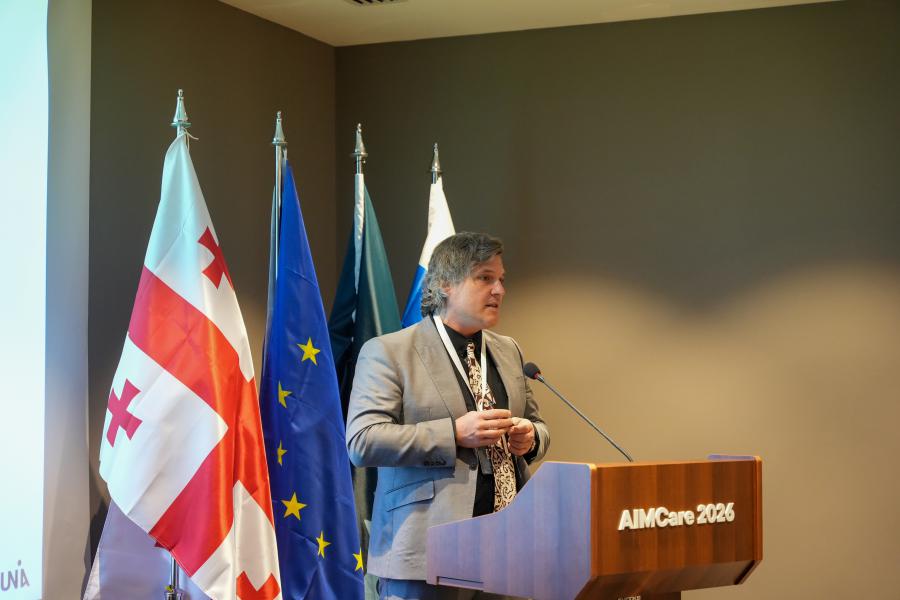
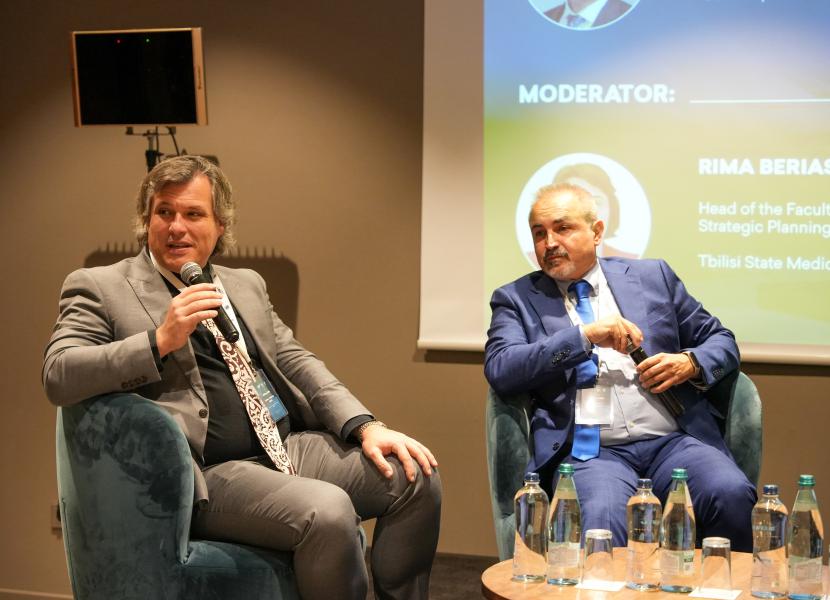
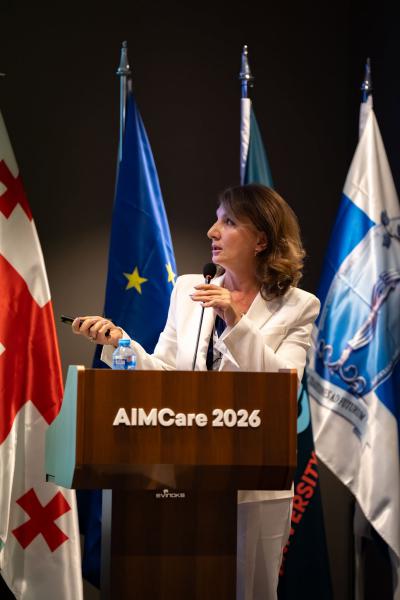
Ludwig
Christian Hinske, Director of the Institute of Digital Medicine and a speaker
at the conference, highlighted the importance of international scientific
gatherings in advancing a deeper understanding of the practical implementation
of artificial intelligence in healthcare.
"I
believe that conferences of this kind are urgently needed to help us better
understand which factors must be taken into consideration and what changes are
necessary to ensure the successful integration of artificial intelligence into
clinical settings, so that patients can fully benefit from the opportunities
this technology promises."
The
partnership between Tbilisi State Medical University and Alte University
facilitated the exchange of knowledge and resources, fostered new professional
connections, and advanced discussions on the safe, responsible, and effective
integration of artificial intelligence into medical education and clinical
practice.