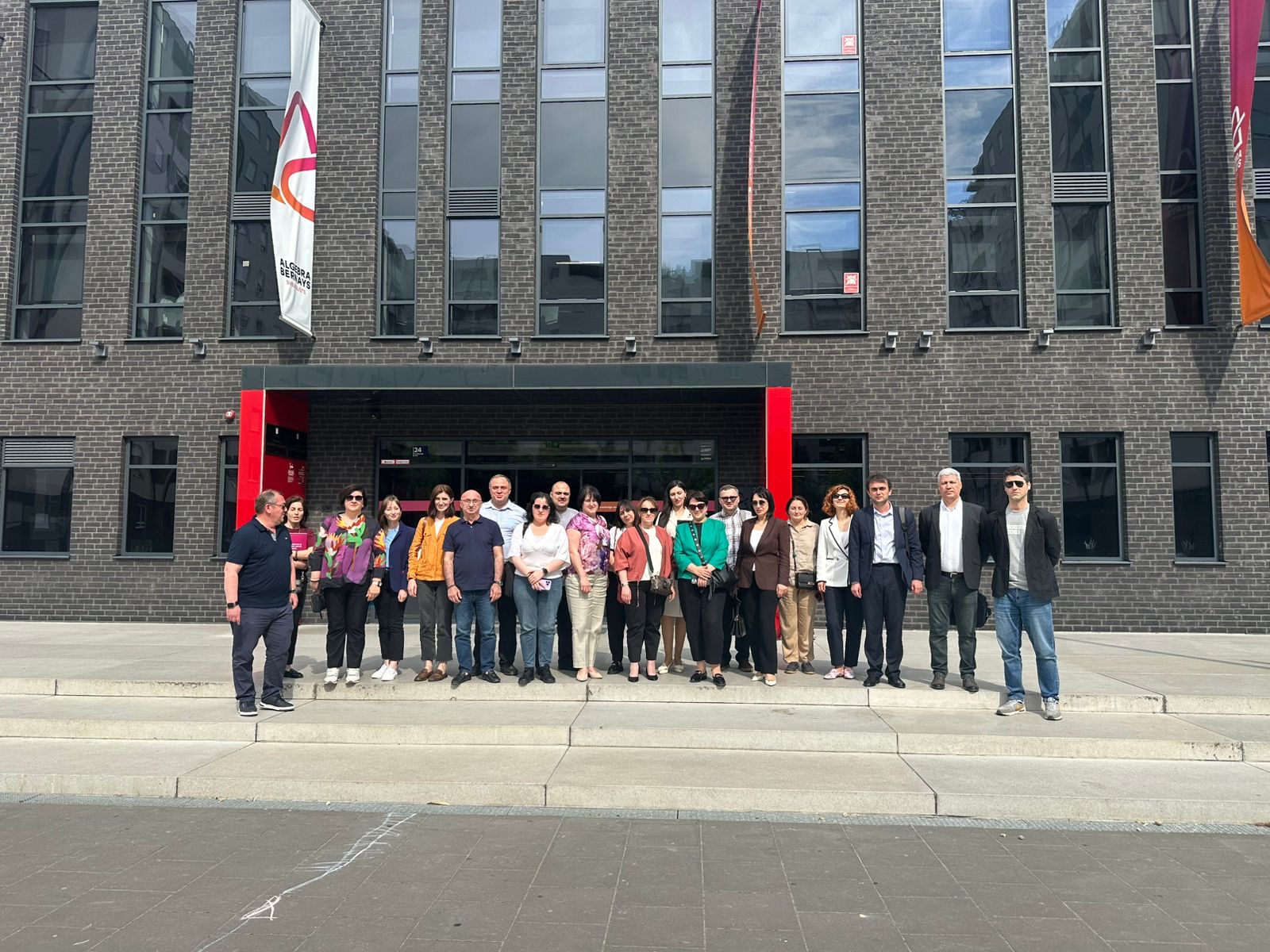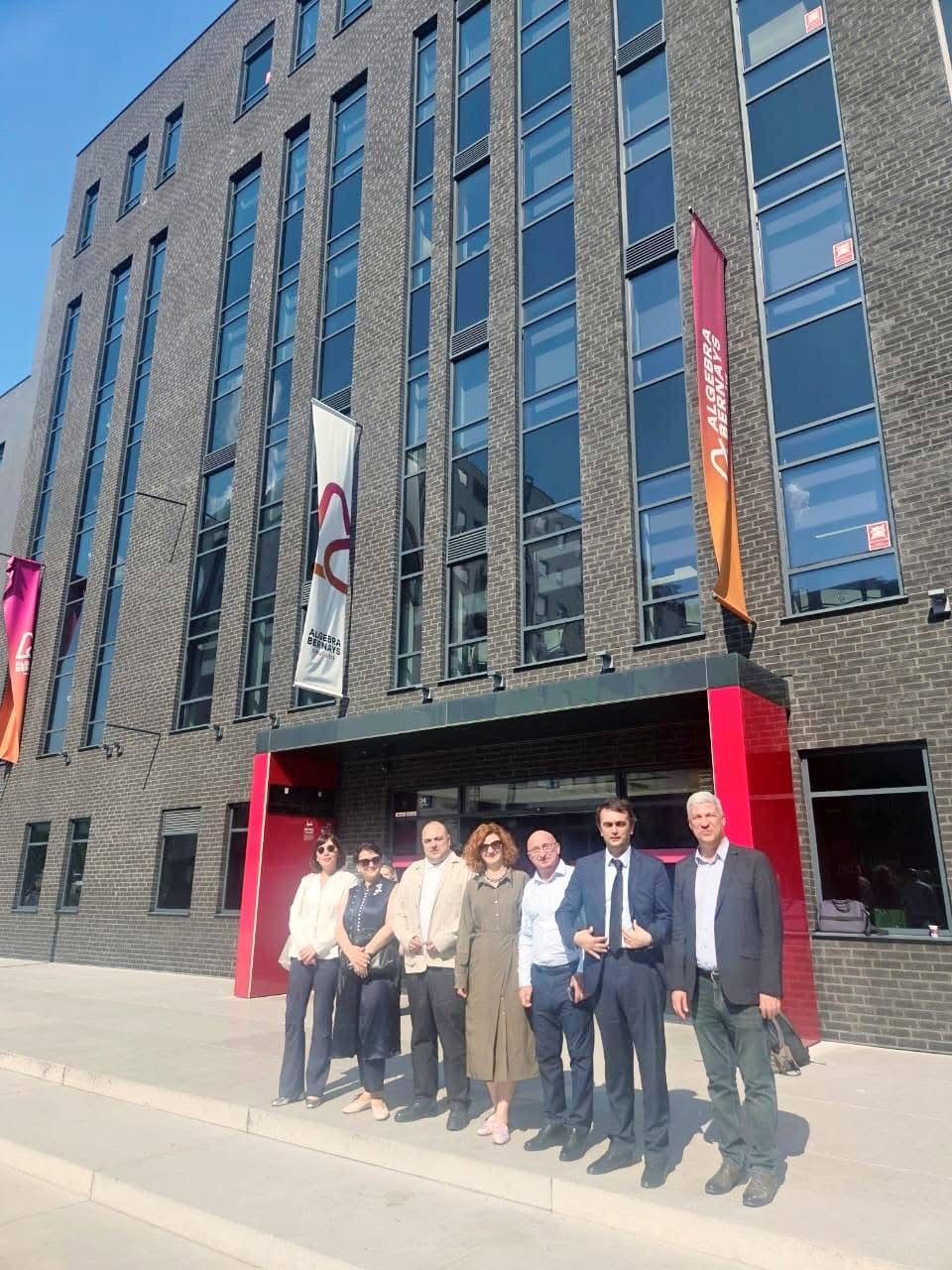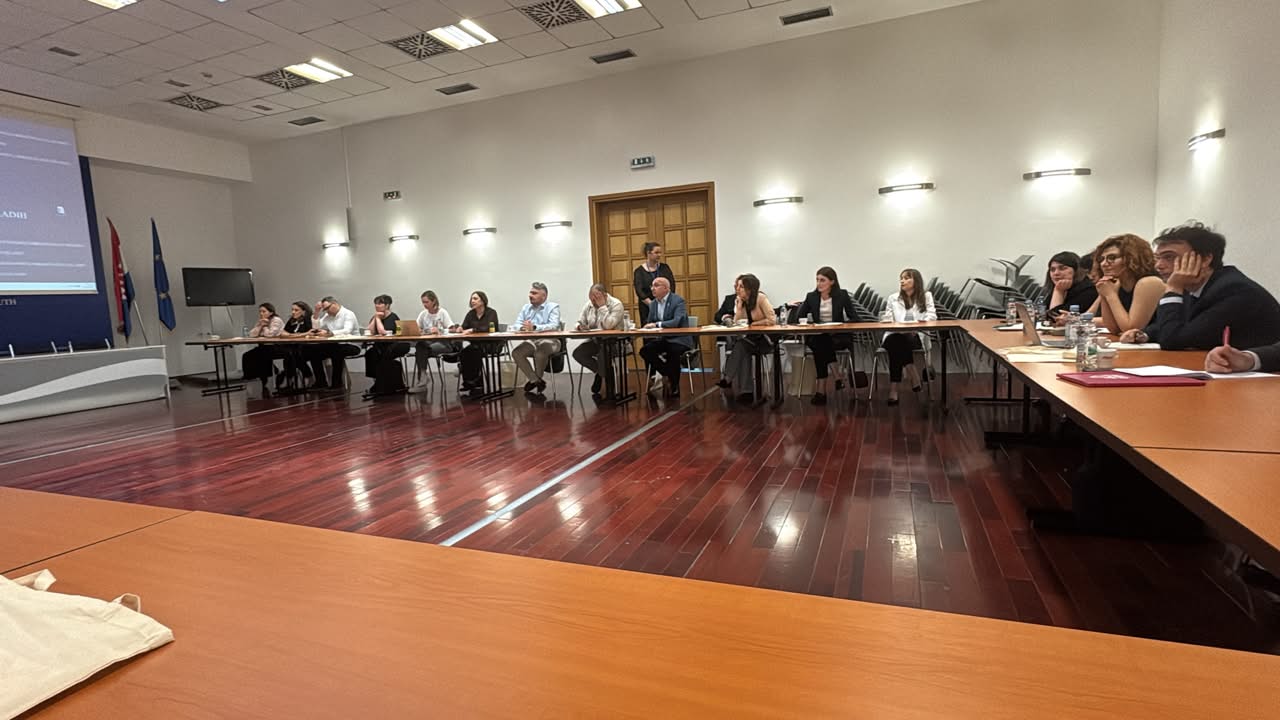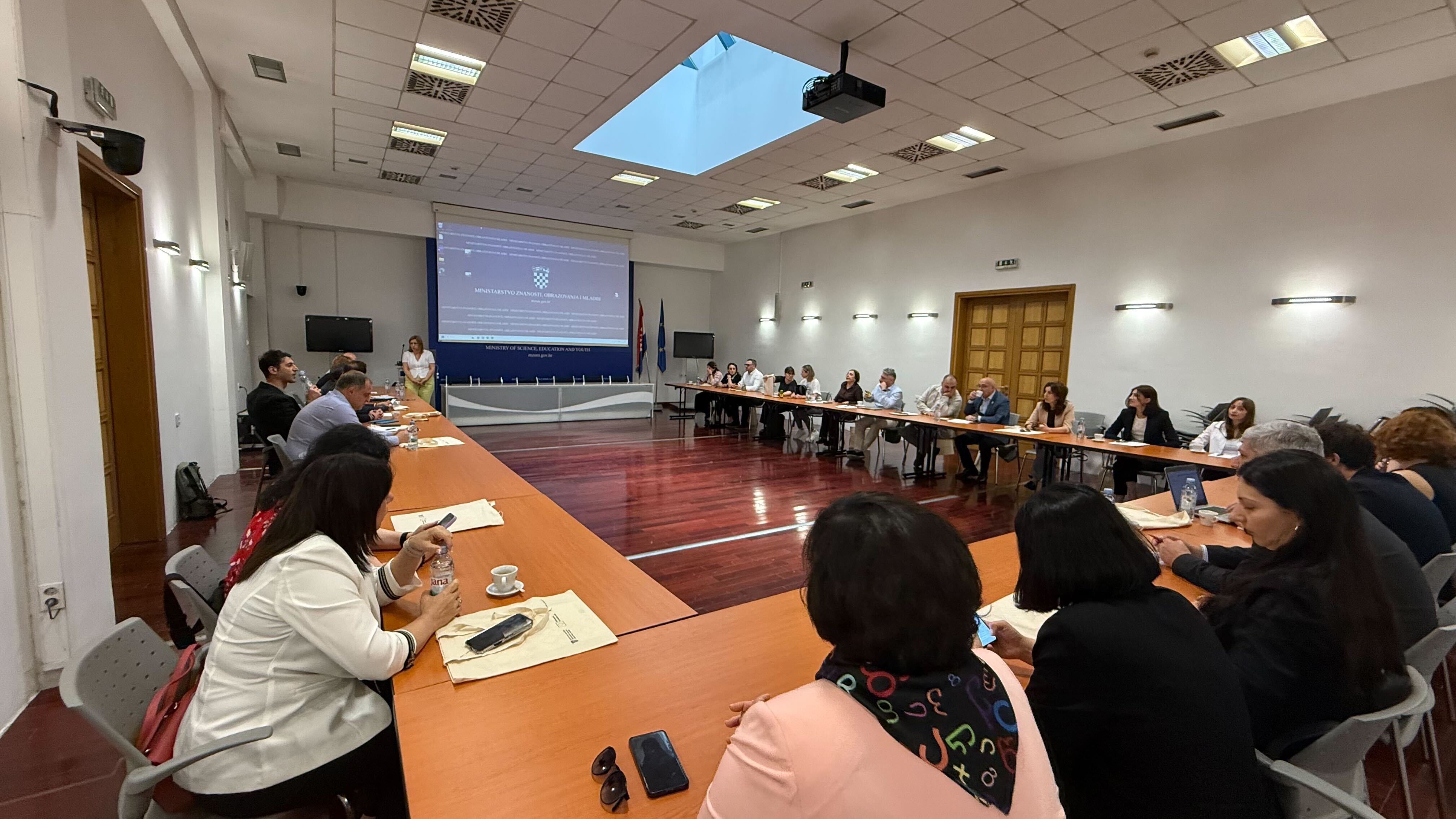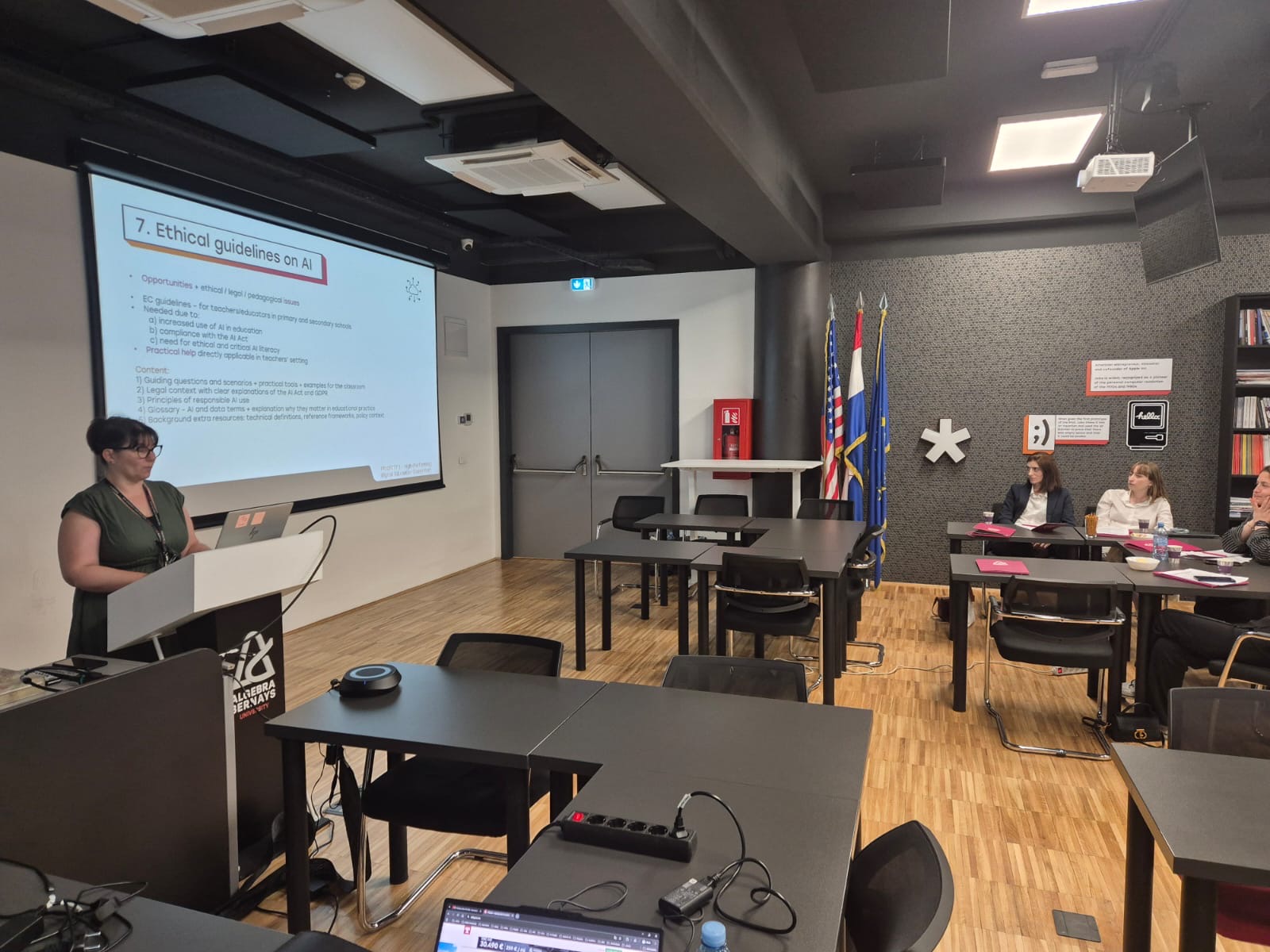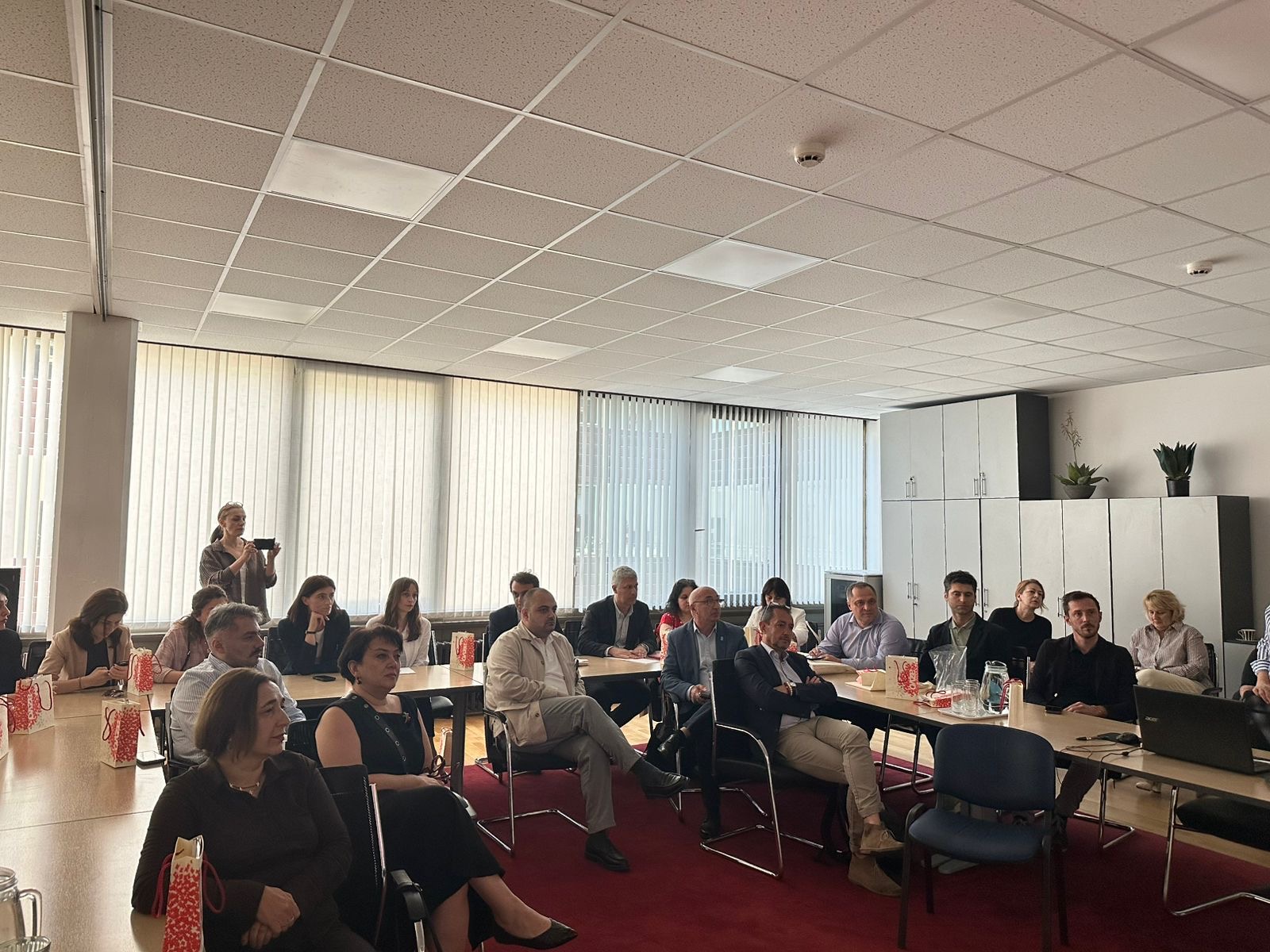
Within the framework of the Erasmus+ project “Promoting High-Quality Digital Education in Georgia” (PRODIGE), Mr. Alexander Buachidze, Chancellor of TSMU and Mr. Vakhtang Beroshvili, Deputy Head of the Economic Department of TSMU visited Algebra Bernays University in Zagreb (Croatia).
The visit was attended by representatives of Georgian consortium universities, the Ministry of Education, Science and Youth of Georgia and the National Center for Educational Quality Enhancement.
The aim of the visit was to exchange experience and explore best practices in higher education digital transformation, modern educational technologies and infrastructure, data analytics, micro-credentials, quality assurance and international cooperation.
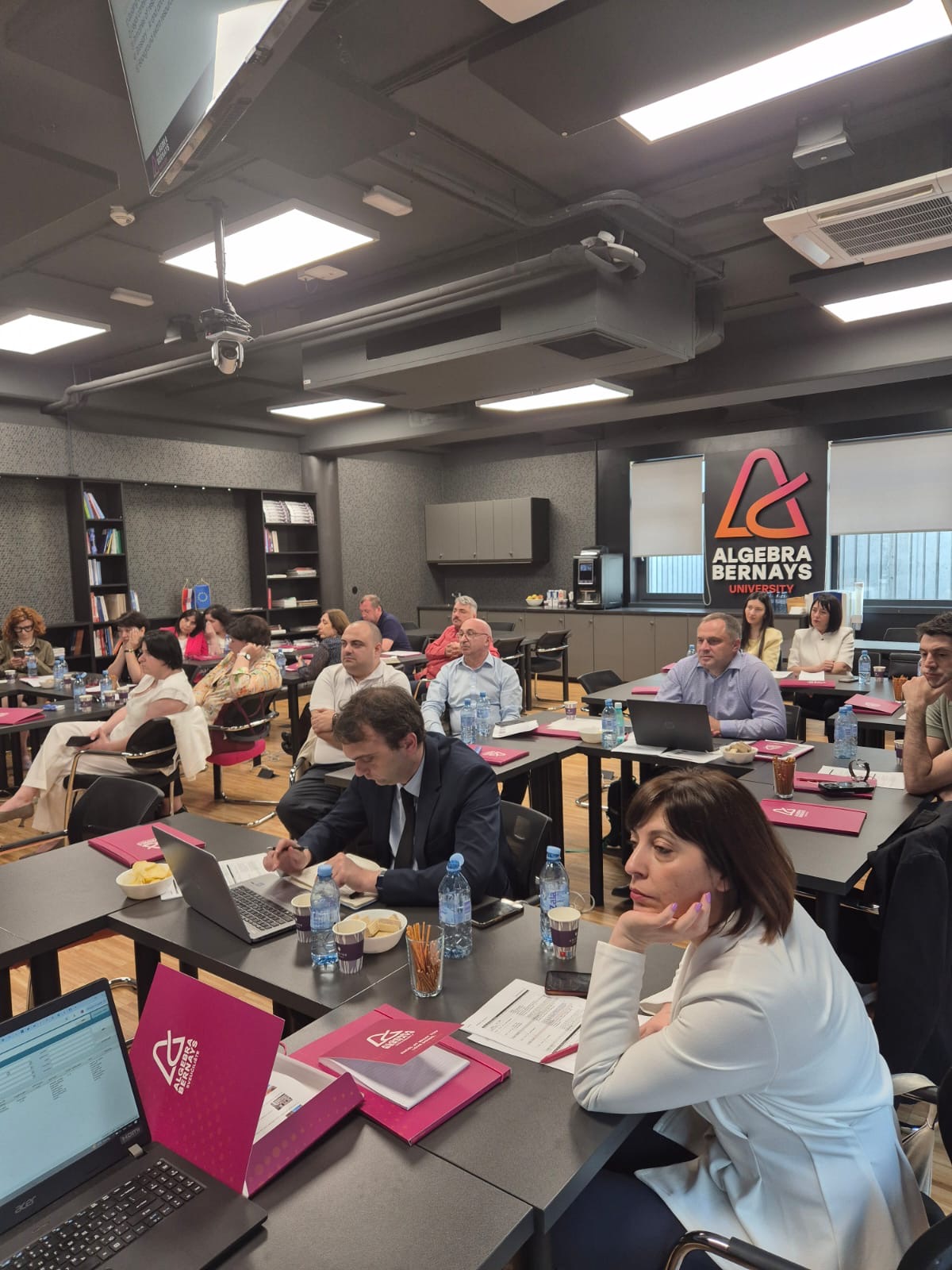
On the first day, a meeting was held with the Rector of the host university, who presented the history, organizational structure, development strategy, current and future challenges, and the university’s vision for improving educational quality. Throughout the day, various speakers addressed topics including the university’s digital communication strategy, institutional branding and management of digital channels, the importance of digital accessibility, the priorities of the EU Digital Education Action Plan 2021–2027, and the role of EU-funded projects in advancing digital education.
The Vice-Rector of the university provided information on international projects, including ongoing initiatives related to the use of artificial intelligence in medical diagnostics. In this context, an additional meeting was held to explore potential future cooperation between Tbilisi State Medical University and Algebra Bernays University, particularly regarding joint international projects in the medical field.
The second day of the visit began with an inspection of the university’s infrastructure. Participants were introduced to modern lecture halls, research laboratories, student spaces, and digital technologies. During working sessions, hybrid and online teaching models (both synchronous and asynchronous), digital educational infrastructure, the student information system InfoEduka, learning management systems (LMS), and contemporary practices in online education were discussed
The third day was dedicated to micro-credentials, innovative educational formats, and data analytics. EU approaches to the development, quality assurance, and recognition of micro-credentials were discussed. It was noted that micro-credentials play a significant role in lifelong learning, professional development, and alignment with labor market demands.
Participants were also introduced to the Blended Intensive Programmes (BIP) model as a short-term international and digital learning format that can be integrated into micro-credential systems. During the sessions, the ALBON Data Platform of Algebra Bernays University was presented, which is used for analyzing student academic progress, optimizing resources, supporting data-driven managerial decision-making, and strategic planning processes.
The meeting also included an overview of student accommodation systems in Croatia, student campus management models, and practices in the development of residential infrastructure.
On the fourth day, the delegation was hosted by the Ministry of Science and Education of the Republic of Croatia (MZOM) and the Agency for Science and Higher Education (AZVO). At the Ministry, discussions focused on national higher education development policies, state strategies for digital transformation, education financing mechanisms, and the Ministry’s role in the development of the higher education system.
At the Agency for Science and Higher Education, participants were introduced to the national quality assurance system, accreditation procedures, institutional evaluation mechanisms, and practices ensuring compliance with European standards.
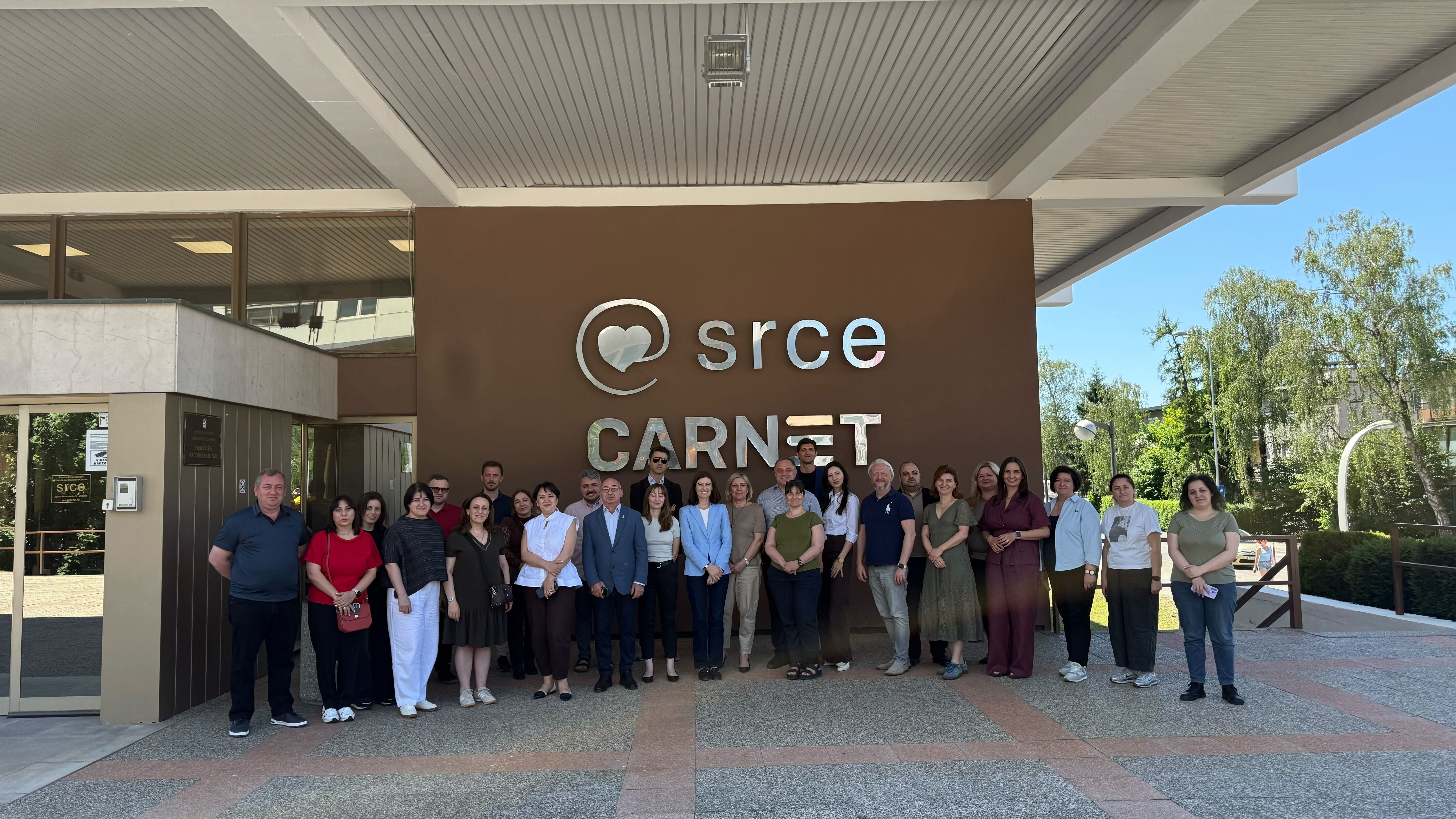
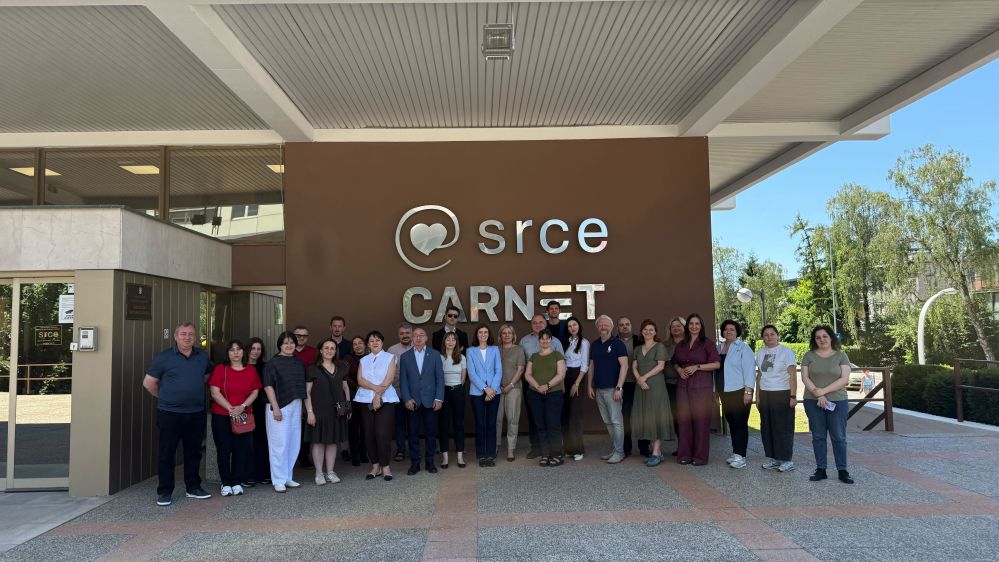
The final day of the visit was dedicated to exploring Croatia’s national educational and research infrastructure. At the Croatian Academic and Research Network (CARNET), discussions focused on the functioning of the national educational network, digital learning platforms, e-learning services, and mechanisms supporting the digitalization of the education system.